The POLSECURE 2026 International Fair in Kielce has come to a close – it is one of the most significant events dedicated to public safety in Poland and the Central and Eastern European region.
.png)

The POLSECURE 2026 International Fair in Kielce has come to a close – it is one of the most significant events dedicated to public safety in Poland and the Central and Eastern European region.
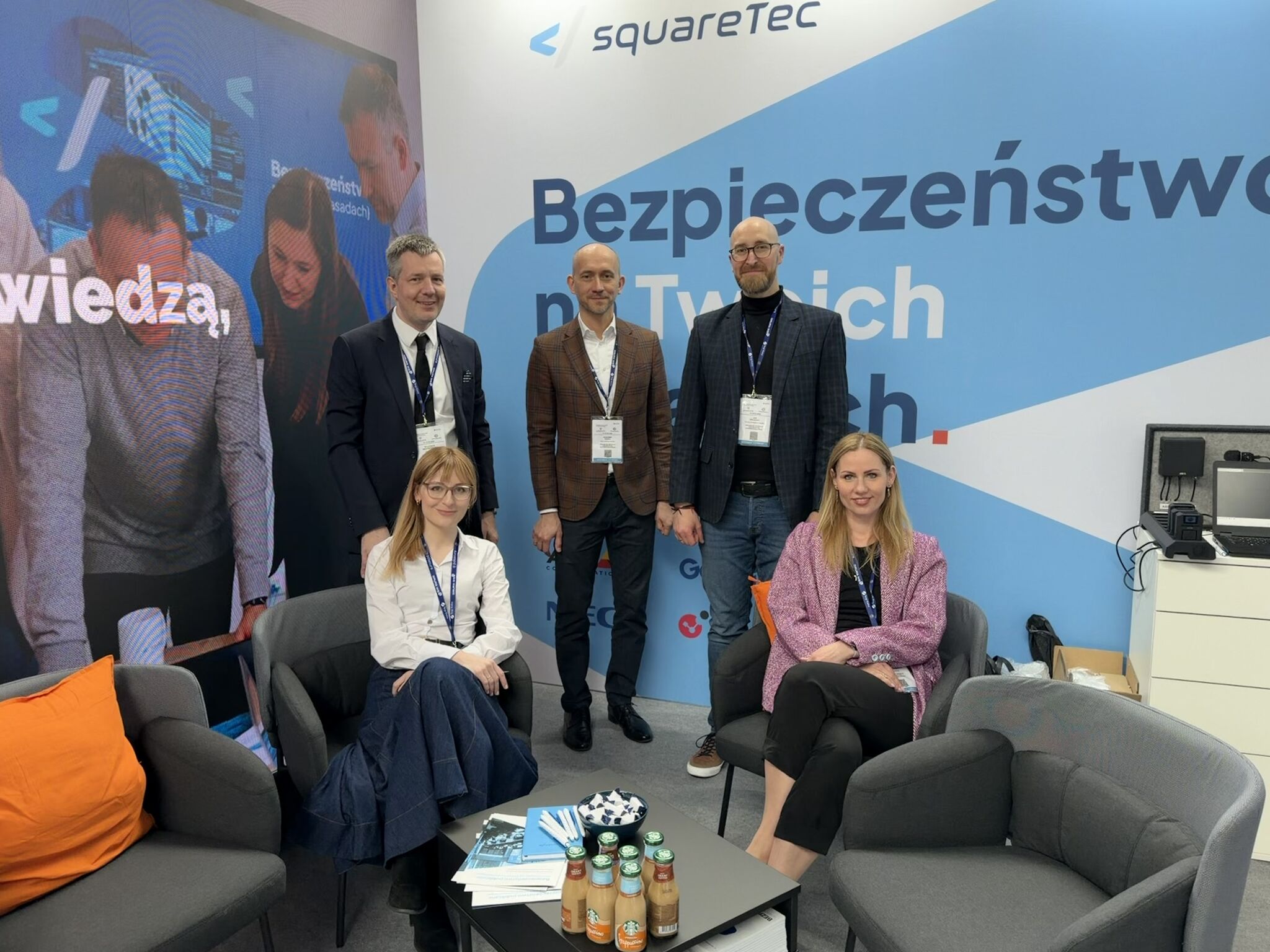
First and foremost: thank you to everyone who visited our booth.
We had the pleasure of meeting with representatives from the Police, Border Guard, State Fire Service, public administration, and local government units, as well as technology partners, integrators, and manufacturers of security solutions.
For organizations operating in these sectors, technology is primarily a tool that supports daily operations, information exchange, and decision-making. This is exactly what we discussed during this year's edition of POLSECURE.
POLSECURE brings together representatives from public services, government, business, and technology manufacturers. This year's program included conferences, panels, workshops, and live demonstrations by emergency services.
The event featured 219 companies and institutions from 17 countries, and over the course of three days, the fair was visited by more than 6,000 industry professionals.
This year's edition also saw the debut of the STRATEXPO Civil Protection and Strategic Reserves Salon, which focused on areas such as crisis management, civil protection, and building national resilience.
While the scope of topics was broad, the common thread remained the need for cooperation – both between institutions and between the systems and technologies they employ.
A clear theme of this year's edition was an approach to security based not only on reacting to threats but also on building organizational and national resilience.
Many discussions touched upon the cooperation between public services and administration, the exchange of information, and the use of technology to accelerate decision-making.
This approach aligns with how squareTec views security system design – as an environment where individual technologies must work together to provide actionable information for daily operations.
This year's trade fair showcased a wide range of security technologies: from surveillance and identification systems to cybersecurity solutions, command and control systems, communications, data analysis, and information management.
For organizations using multiple security systems, the ability to exchange data between them is becoming increasingly important. This applies to monitoring and access control systems, as well as analytical tools and cybersecurity solutions.
Technology alone does not solve the entire problem. In environments with multiple systems and data sources, their integration and the ability to utilize information within a single operational process are becoming increasingly critical.
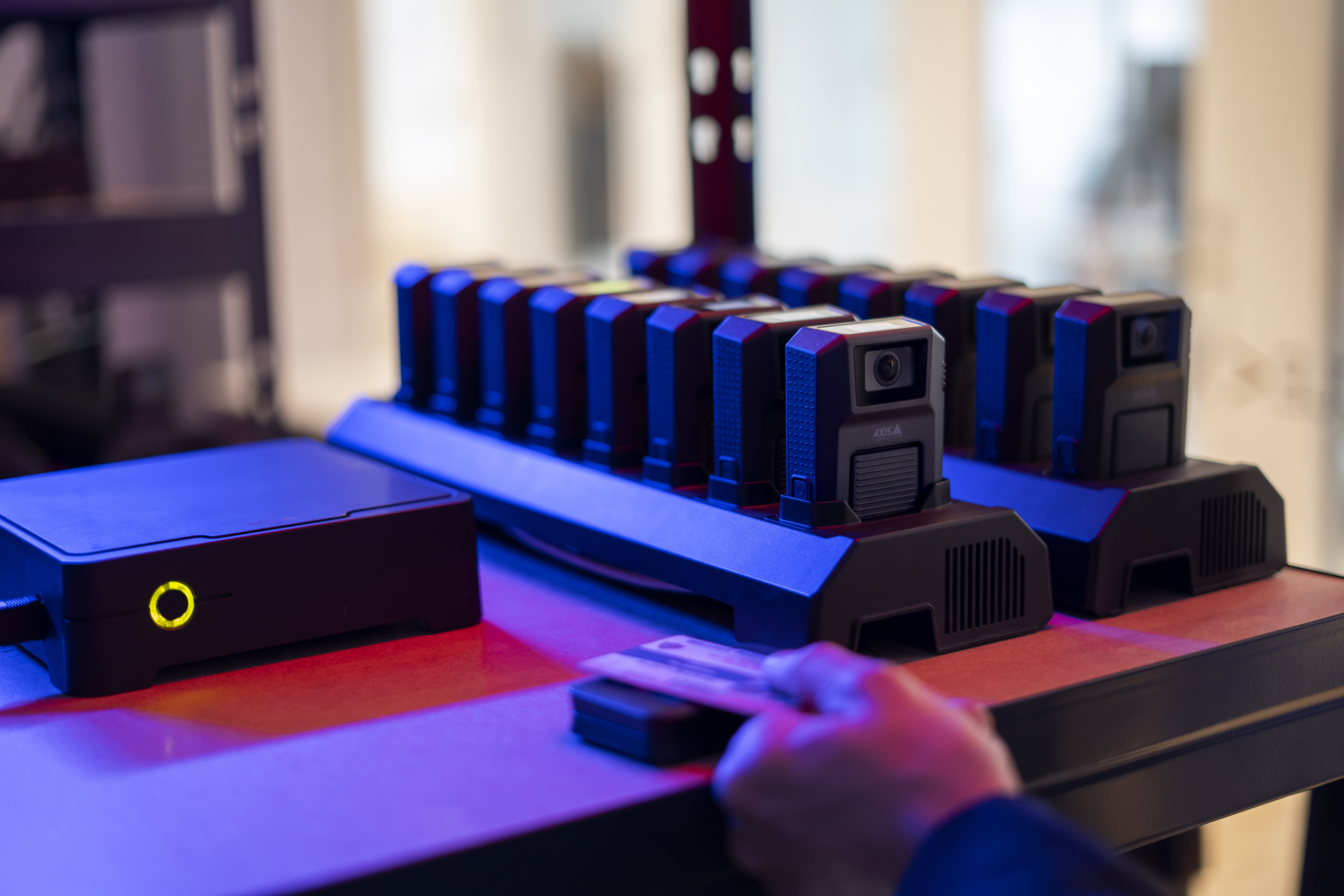
During the fair, we presented solutions related to security system integration, data and image analysis, AI utilization, and mobile monitoring.
The focus of our discussions was primarily on specific technology use cases:
We discussed, among other things, the VMS Broker integration platform, ANPR solutions, data and image analysis systems, AI solutions, and mobile monitoring systems.
It is precisely at the intersection of these areas that squareTec fulfills its role as an integrator – by designing solution architecture and connecting technologies from various manufacturers with the client's existing environment.
POLSECURE also demonstrated how many areas must collaborate within a security system – from public services and administration to technology providers and the private sector.
For technology companies, this means increasing responsibility for how their solutions are integrated and utilized within existing environments.
For large organizations, it is not enough to simply answer the question of which solution to implementEqually important are issues of integration with existing systems, data flow, access management, maintenance, and future development.
squareTec operates precisely in this area – designing and integrating systems that must work with existing infrastructure and technologies from various manufacturers.
In organizations using multiple security systems, the ability to exchange data between them is becoming increasingly important. This applies to monitoring and access control systems, as well as analytical tools and cybersecurity solutions.
The growing number of data sources increases the importance of organizing, correlating, and utilizing them in operational processes. Simply recording events is not enough if the information remains scattered across independent systems.
Artificial intelligence is increasingly appearing as an element of specific processes – from image analysis and object identification to processing large datasets.
What matters is not just using an AI model, but also its integration with the rest of the infrastructure and how the analysis results are used in daily work.
The boundaries between these areas increasingly require a unified approach. Physical security systems, networks, end devices, and operational data all function within a single technical environment.
This means there is a need to consider both cybersecurity and the security of technical systems as early as the architecture design stage.
For public organizations and entities responsible for critical infrastructure, issues regarding data access, storage methods, integration with existing systems, and control over infrastructure remain essential.
In practice, this also means the need for a conscious approach to choosing technology, system architecture, and the path for future development.
We would like to thank everyone we had the opportunity to meet during POLSECURE 2026 – representatives of public services, administration, technology partners, integrators, and clients.
Many of these conversations focused on very specific challenges: integrating existing systems, utilizing data, automating analysis, and adapting technology to real-world working conditions.
These conversations are the most valuable part of industry events for us. They allow us to better understand organizational needs and translate them into solutions that can be effectively implemented and integrated with existing infrastructure.
MON - FRI 8:00 AM - 4:00 PM
© Copyright 2026 SquareTec - All Rights Reserved